

Better to be different: How to make your leisure product stand out
Creating memorable leisure experiences isn’t about offering endless activities, but about designing thoughtful ones that truly fit your space, brand, and guests. Start with the basics, choose activities that suit your environment and audience, and make them easy to join through flexible booking, pricing, and formats.
“Success comes not from offering more, but from delivering better.”
Quick Takeaways
- Start with the basics - choose activities that fit your space and your guests.
- Make it easy - offer different ways to join in (free or paid, book-ahead or drop-in, self-led or staff-led) to make it more accessible.
- Plan your strategy - set out how often activities run operationally, how long they last, and how many people can join at once.
- Quality beats quantity - smaller, more personal experiences often leave guests happier (and can still make more money).
- Stand out - add your own unique twists to common activities to make them memorable.
- Know your guests - meet their needs with quick and cheap fun for short visits, or deeper and more immersive experiences for longer stays.
- Mix it up - connect activities with food, drinks, or other on-site services for a fuller experience.
Introduction
Every leisure spot, from holiday resorts to local activity centres, has one thing in common: they offer “things to do”.
Guests expect it, so it has become the norm. The challenge now isn’t whether you have activities, but whether they’re the kind people will remember, talk about, and come back for.
It’s tempting to believe that success comes from offering as many activities as possible. After all, if you have a big menu, surely there’s something for everyone, right?
But “more” doesn’t necessarily mean “better”. A long list of average activities will never beat a smaller set of truly thoughtful and well-designed ones.
A great programme of activities doesn’t just tick boxes. It feels like a natural extension of your space, your brand, and your guests’ needs. It flows smoothly with the rest of their visit, is simple to take part in, and creates moments they want to share.
Whether it’s a self-led scavenger hunt or a premium, instructor-led craft workshop, the difference comes from intention: designing each activity to deliver real value, not just fill time.
So how do you get there? Let’s break it down.
Start with the Basics
Before you think about how to stand out, you need strong foundations. That starts with choosing activities that actually fit. Fit with your guests, with the season, and with your space.
Take seasonality, for example. A baking workshop might be great in the colder months, but in summer, guests may want to be outdoors. A simple switch, moving the experience into a garden or adding an outdoor element, can make the same activity feel fresh and relevant.
Location matters too. An activity isn’t just about what people do, but where they do it. A craft session in a cosy corner feels very different from the same activity held in a large, echoey hall. Details like seating, layout, and even lighting shape how guests experience the moment.
And then there’s consistency. Think of your activities as part of your wider story. Just like a brand logo or a favourite recipe, repetition and coherence help people remember you. If your leisure site has a nature theme, for instance, your activities should echo that.
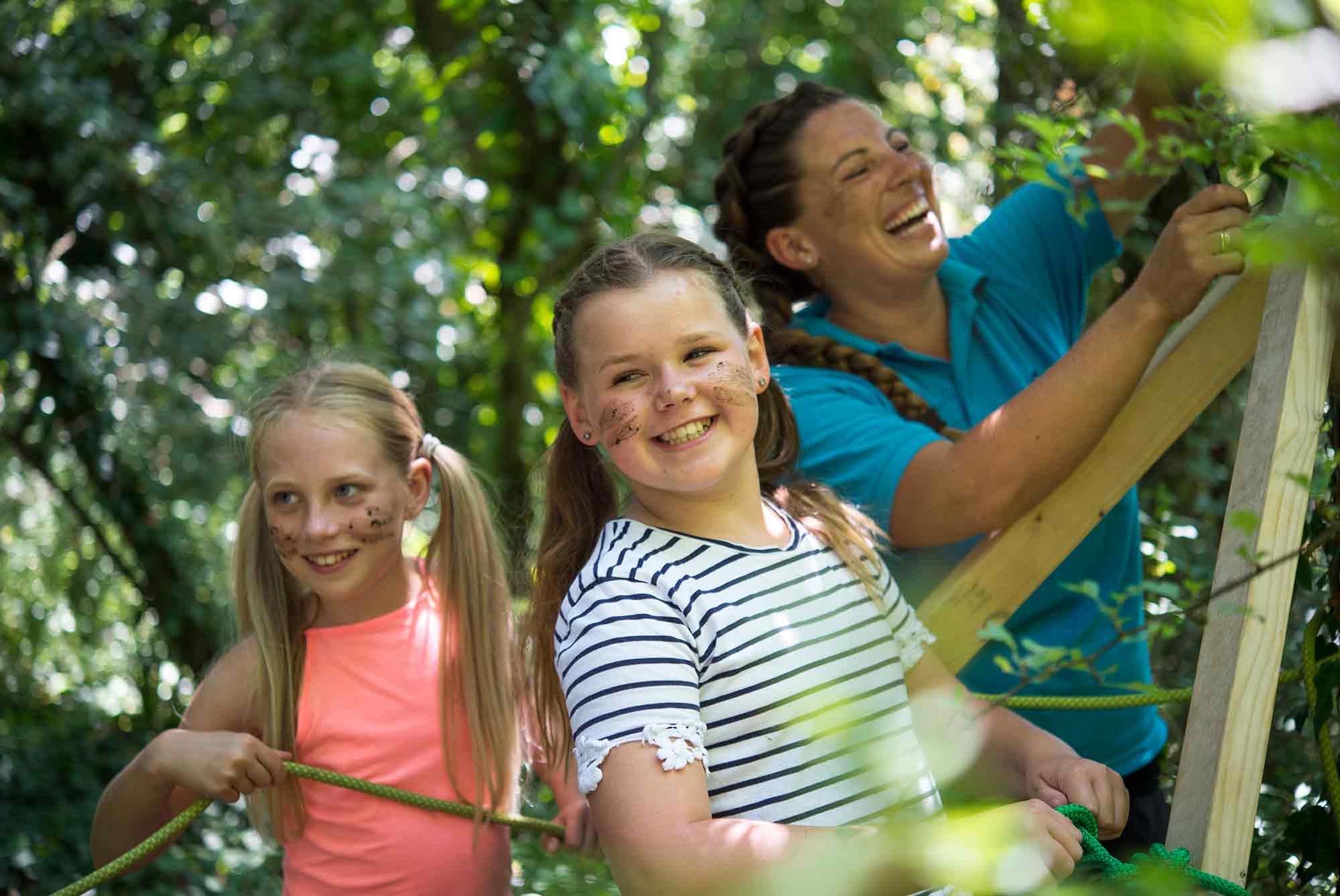
For example, instead of feeling random or disconnected, match the theme with forest walks or eco-friendly crafts
Making Activities Easy to Join
Once you’ve chosen the right activities, the next step is accessibility. How do people join in?
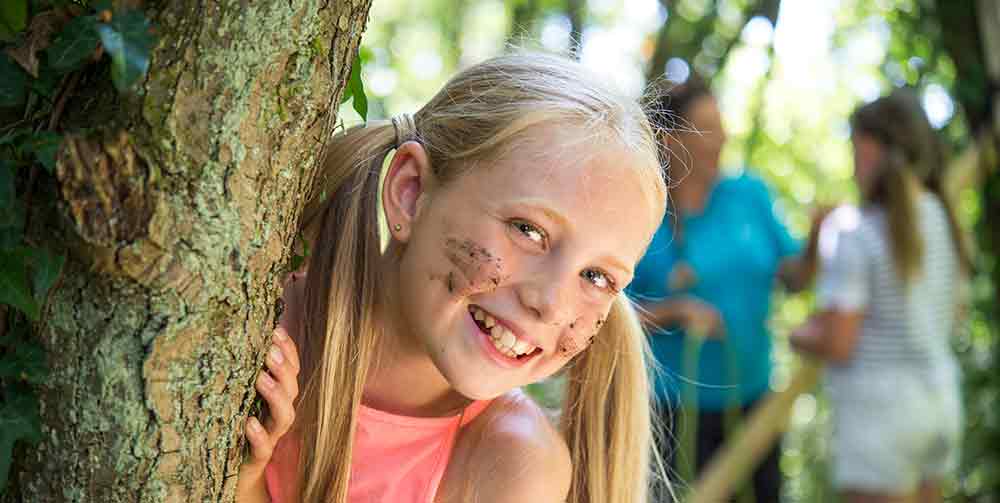
There’s no one-size-fits-all answer. Different guests prefer different levels of planning and involvement. Some like to book in advance so they can look forward to the experience. Others prefer spontaneous drop-ins when the mood strikes. The best approach is often to offer a mix.
The same goes for cost. Free activities can encourage casual participation and make your programme feel welcoming. Paid activities, on the other hand, can carry more perceived value and open the door to premium experiences. Offering both, with clear differences in what they provide, helps you cater to a wider range of guests.
Formats also vary. A self-service option might involve picking up a kit from reception, while a staff-led option might gather guests together at a set time for guided fun. Both have their place: self-service is flexible and low-maintenance, while staff-led brings a sense of connection and expertise.
By mixing booking options, price points, and formats, you make your programme accessible to more people while still keeping control of how it runs.
Planning your Strategy
Behind every smooth guest experience is a well-thought-out plan. How often will you run each session? How long should it last? How many people can take part at once?
These choices shape both the guest experience and your own operations. Run too many sessions, and you risk stretching your staff too thin. Run too few, and guests may feel left out. Allow too many participants, and the activity loses its quality. Limit numbers too much, and people may be frustrated they can’t join.
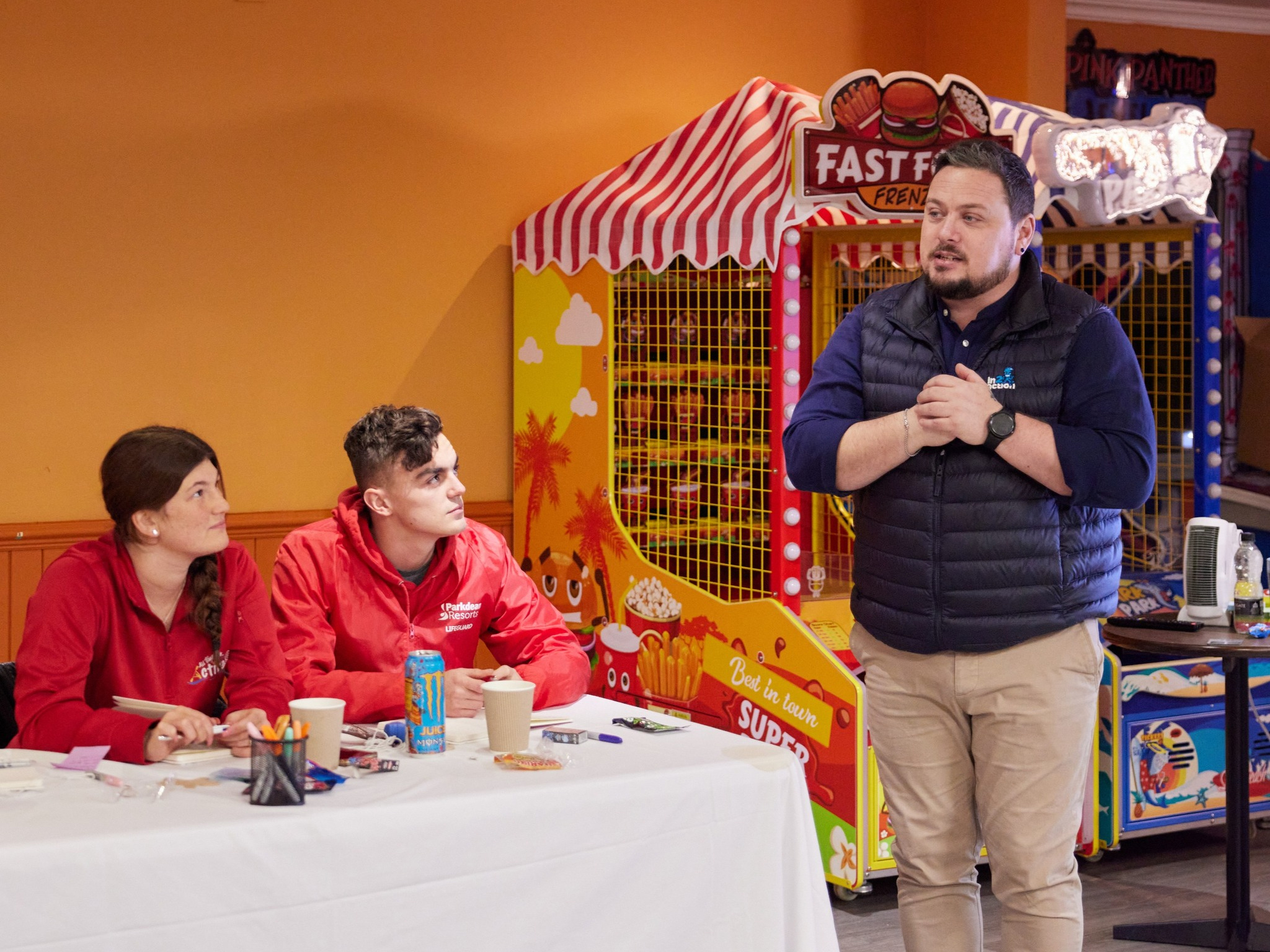
Staffing is another big piece of the puzzle. Some activities, like a self-led scavenger hunt, need little to no supervision. Others, like a cooking class or guided hike, require trained staff to keep things safe and enjoyable. Balancing staffing costs with the quality you want to deliver is a key part of making your programme sustainable.
Think of this stage as choreography: you’re designing the rhythm and flow of how guests will move through their day, making sure everything feels natural while also keeping your resources in check.
Quality beats Quantity
This is a question many operators face: do you go for lots of cheaper, high-volume activities, or fewer, more premium ones?
For example, imagine offering a T-shirt painting activity for children.
- Option A: 30 children, £5 each. The focus is on throughput - lots of kids, low cost, quick turnaround.
- Option B: 10 children, £30 each. Smaller group, higher price, more personal attention, and better materials.
Option A might seem like the obvious moneymaker, with more kids and more total income. But Option B often delivers stronger results. Parents see value in the personalised experience, kids go home with something they’re proud of, and your brand gets associated with quality rather than volume.
The lesson? Sometimes less really is more.
Guests often prefer experiences that feel personal, special, and well-crafted. They’re willing to pay more for them, too!
Stand Out
In today’s leisure market, many activities have become standard. Archery, climbing walls, and pottery painting are all fun, but also common. The trick is to put your own spin on them.
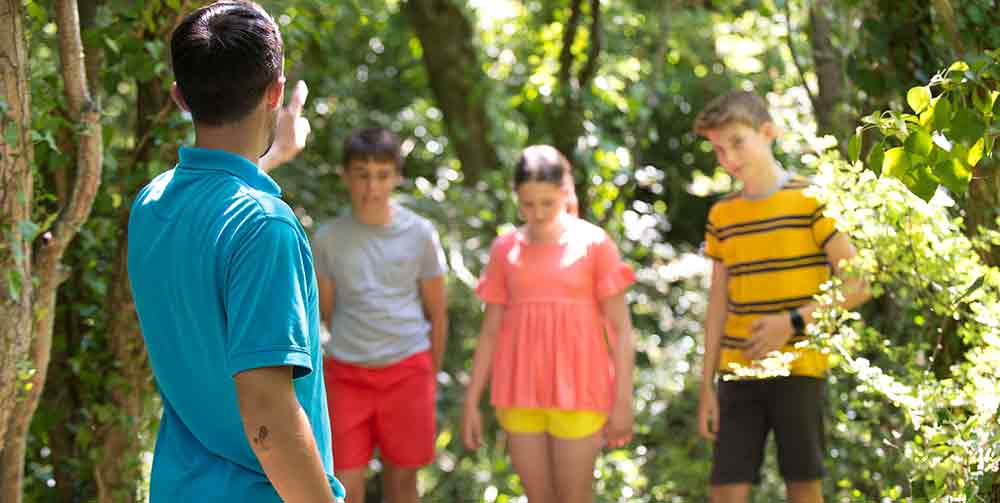
Instead of just offering archery, why not pair it with a chance to make your own target? Instead of a basic forest walk, how about a guided night-time “sounds of the woods” experience? These small but unique tweaks help to create stories people will remember and share.
The goal isn’t to reinvent the wheel every time. It’s about thinking creatively about your location, your theme, and your guests, and using those elements to shape something unique.
Knowing Your Guests
Not all visitors are alike. Families stopping in for a single afternoon may want quick, low-cost fun that doesn’t take too much planning. Guests staying for a week-long holiday may prefer in-depth, immersive experiences that justify spending more time and money.
This is where flexibility comes in. Your activity programme should be able to shift with the seasons, with different audiences, and even with broader trends.
Offering a mix of “quick wins” and “deep dives” makes sure you can connect with everyone who walks through your doors.
Mix it Up
Activities don’t have to stand alone. In fact, some of the most memorable experiences come from pairing them with other parts of your site.
For example:
- A children’s morning craft class paired with a coffee-and-snack deal for parents.
- An evening pottery workshop paired with wine tasting.
- A “Go Active” fitness session paired with a healthy eating menu in your restaurant.
These pairings keep guests engaged for longer, encourage them to spend more, and strengthen your overall brand story. Activities stop being extras and start becoming part of a bigger, richer experience.
The Big Picture
Designing a great activity programme isn’t about copying what everyone else is doing. It’s about asking, “What fits our place, our guests, and our story?”
When you build on solid foundations, make activities easy to join, plan carefully, choose quality over quantity, and add unique touches, you create something far more powerful than a long list of options. You create experiences that feel meaningful; the kind people want to repeat and recommend.
That’s where true success lies: not in offering more, but in delivering better.


.png)

.jpg)
