


Living Your Values: How to Turn Culture Change into Everyday Action
Most organisations talk about culture; living it is a different story. We’ve all seen company values printed on mugs, written on walls, or proudly displayed in glossy handbooks. They look impressive, but the real question is: do they actually mean anything day to day?
“Culture isn’t a slogan on the wall – it’s how people behave when no one is watching.”
Quick Takeaways
- Making Values Role-Relevant – every worker, from CEO to tea-maker, needs clear guidance on how the company’s values apply to them.
- Launching vs. Embedding – culture change takes reinforcement, visibility, and consistency.
- Everyone Owns the Culture – a healthy culture is lived daily by every employee, at every level.
- Common Pitfalls – values often fail when they are not communicated, understood, or translated into practice.
- Practical Interpretation – clear definitions and role-based examples make values actionable.
- What External Support Can Offer – specialist partners can help turn abstract values into role-specific behaviours across an organisation.
Introduction
Most organisations talk about culture; living it is a different story.
We’ve all seen company values printed on mugs, written on walls, or proudly displayed in glossy handbooks: “Integrity. Teamwork. Excellence.”
They look impressive. But the real question is: do they actually mean anything day to day?
Culture change isn’t about launching a new campaign or introducing a clever slogan. It’s about shaping how people behave, interact, and make decisions when no one’s looking. It’s about turning nice-sounding words into habits that genuinely guide how a team works together.
At its heart, culture change is simple: it’s about helping every person, in every role, understand how the organisation’s values apply to them, from the CEO to the person making the tea. When everyone knows what those values look like in real life, culture stops being an idea and becomes something people can see, feel, and experience.

What Is Culture Change?
“Are your values genuinely lived and embedded, or just printed on mugs and T-shirts?”
Culture change means reshaping the shared beliefs, attitudes, and behaviours that define an organisation. It’s not about inventing new words to describe who you are, it’s about making sure the values you already believe in are visible and alive in every corner of the business.
When culture is embedded properly, everyone can answer one simple question: “What do these values mean for me in my job?”
Take an idea like “be money-savvy”. For a senior finance manager, that might mean negotiating better supplier contracts. For someone on the housekeeping team, it could mean making sure lights and heating aren’t left on unnecessarily.
When values are translated into clear, practical examples like this, they stop being abstract ideals and start guiding real behaviour.
Making Values Role-Relevant
“Values mean nothing unless people know how to apply them in their everyday jobs.”
Everyone in an organisation has a different role to play, and culture should make sense at every level. The CEO might think strategically about values, but a frontline worker needs to know what those values look like in action.
- Senior leaders need to model the values visibly. When they communicate honestly, listen actively, and recognise effort, they show what the organisation stands for.
- Middle managers need to connect the dots: reinforcing values in team meetings, coaching, and feedback so that expectations stay clear and consistent.
- Frontline teams need practical examples. They should be able to say, “Here’s how I show this value in my role.”
For example, if one of your core values is “be playful,” that might mean smiling and creating joyful moments for guests in a hospitality setting, not being silly or unprofessional, but finding small ways to make someone’s day brighter.
This clarity is what brings values to life. Without it, even the most inspiring words fall flat.
Launching vs. Embedding
“The launch of new values is the easy part – embedding them is where the work begins.”
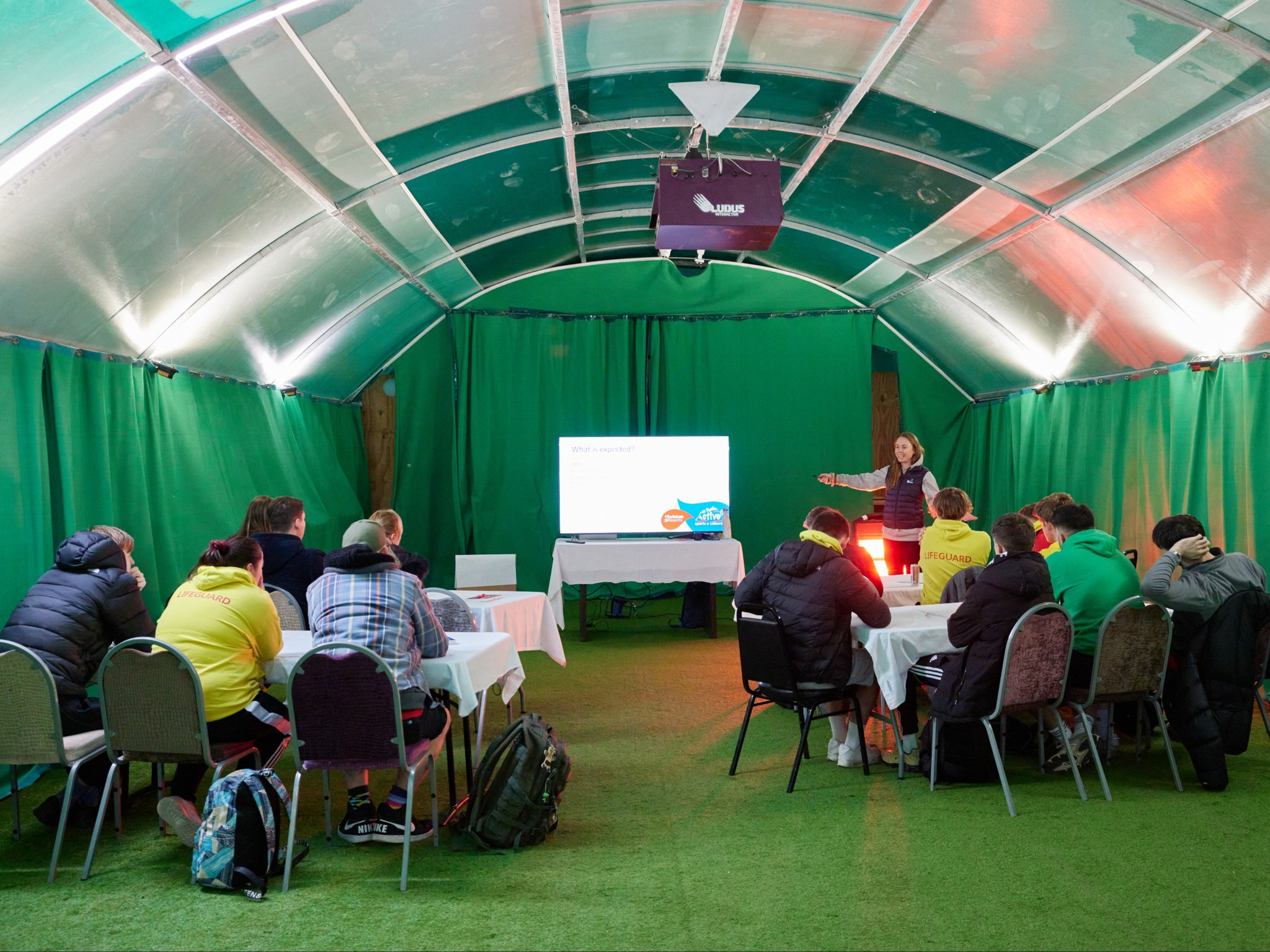
A lot of companies get excited about launching new values. They design posters, hold team events, maybe even create branded merchandise. But after the fanfare fades, everyone goes back to business as usual, and the culture change quietly stalls.
Embedding culture is an ongoing process, not a one-off project. It requires consistent effort, visibility, and reinforcement.
To make values stick, organisations need:
- Ongoing communication: keep values visible and relevant through stories, updates, and recognition.
- Integration: build them into performance reviews, recruitment, and promotion criteria.
- Leadership visibility: people notice what leaders do far more than what they say.
- Routine reinforcement: celebrate when someone demonstrates a value in action.
When people see values reflected in how success is measured, recognised, and rewarded, they understand that the organisation truly means what it says.
Everyone Owns the Culture
“Culture isn’t dictated by HR: it belongs to everyone.”
A healthy culture doesn’t come from a single department. It’s not HR’s responsibility alone, nor is it just a leadership initiative. Culture is created and sustained by every single person in an organisation.
From the top executive to the newest starter, everyone influences the workplace atmosphere through their choices, how they communicate, how they collaborate, and how they treat others.
When culture is strong, you can feel it. People take pride in their work, look out for one another, and act consistently no matter who’s in the room. That kind of shared responsibility creates stability, trust, and long-term success.

Common Pitfalls
“Most organisations don’t lack values – they lack clarity.”
Many big businesses already have values, but they often fail to make an impact because people don’t understand them or can’t see them in action.
Common challenges include:
- Values are too vague or too corporate-sounding to relate to daily work.
- Teams don’t see leaders living them, so they lose credibility.
- Employees don’t get clear guidance on how to apply them in practical ways.
For instance, telling someone to “work collaboratively” sounds good, but what does that actually mean? A clearer version might be: “If a teammate is running behind, help them finish their task so the team succeeds together.”
Similarly, a value like “be playful” at a place like Alton Towers could be misunderstood without examples. It doesn’t mean being unprofessional, it means creating moments of fun, like making a child smile with a friendly joke or pointing them toward a new ride.
Culture only works when people understand how to live it in their own context.
Practical Interpretation
“A value without context is meaningless.”
Turning values into real behaviour means giving people examples they can relate to. It’s about translating abstract ideas into actions that fit their role.
Let’s take a few examples:
- “Be accountable” might mean owning up to mistakes, fixing them quickly, and sharing lessons learned.
- “Be innovative” might mean speaking up with ideas, even small ones, about how to make a process smoother.
- “Be playful” could mean finding small ways to create joy, not forced fun, but natural, human warmth.
By connecting values to everyday tasks, they become tools for decision-making, not just slogans.

What External Support Can Offer
“Specialist partners can help translate vision into action.”
Sometimes organisations need an outside perspective to bring their values to life.
External partners can help by:
- Making values clear and easy to understand at every level.
- Creating training and materials that show what each value looks like in different roles.
- Reinforcing why values matter, not just to the company, but to employees and customers alike.
The goal isn’t to hand over ownership of culture, but to strengthen it with expert insight and practical support. Partners like In2action can help bridge the gap between intention and impact, turning a company’s values into daily habits that stick.
Final Takeaway
“Culture change is a marathon, not a sprint.”
Embedding culture takes time, patience, and consistency. It’s about doing the small things well, every day, across every level of the business.
The organisations that truly thrive aren’t the ones with the catchiest slogans or the slickest campaigns. They’re the ones where every employee, from the boardroom to the break room, can confidently answer: “What do our values mean for me, in my role, today?”
Because when values are lived, not just spoken, culture stops being a concept and becomes a way of life.



.png)

.jpg)
